What Is Truck Dispatching? A Simple Guide for Beginners
Learn about What Is Truck Dispatching? A Simple Guide for Beginners with a practical, evidence-backed guide covering core concepts, implementation steps, and be
Introduction to Truck Dispatching
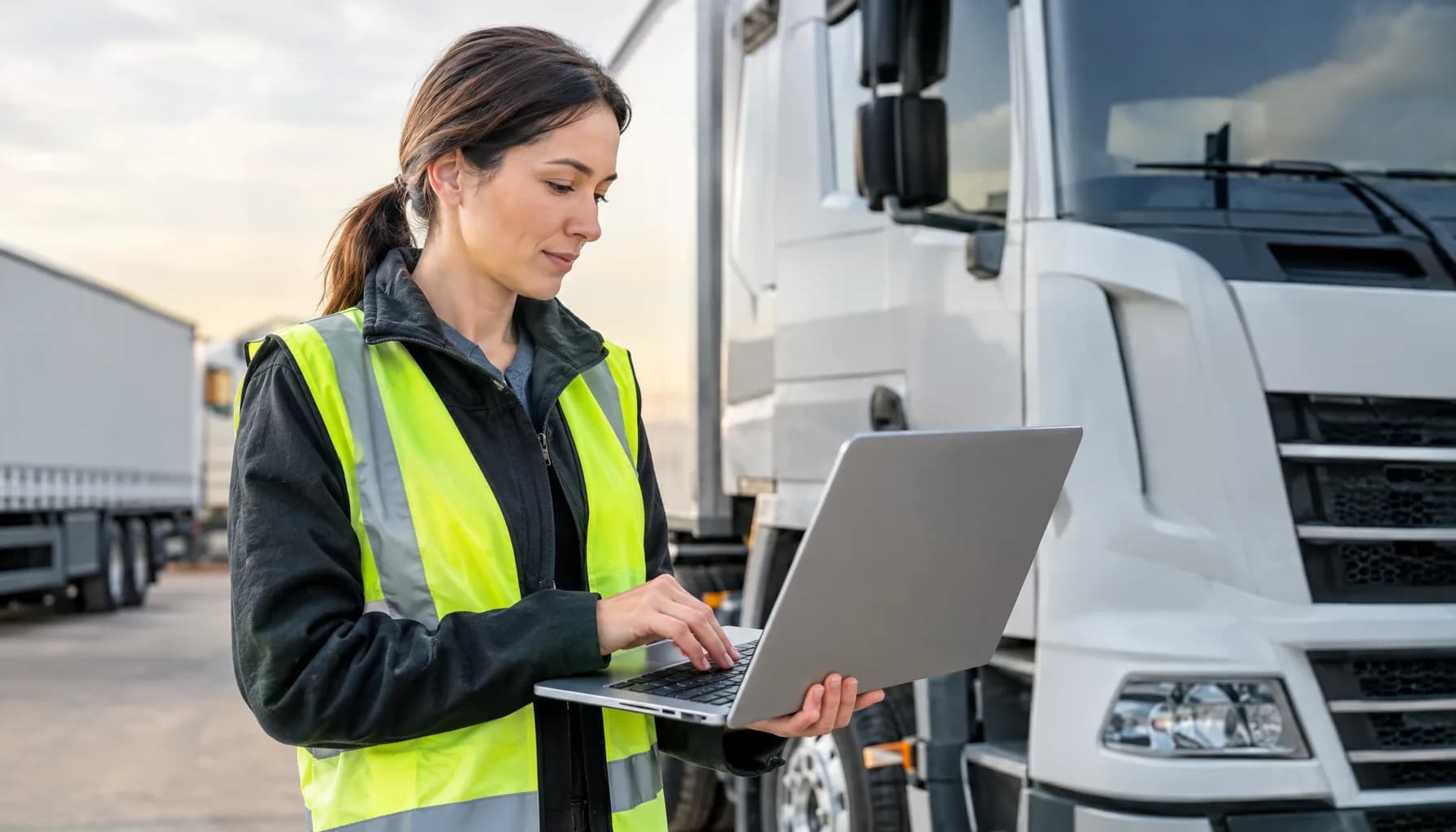
Truck dispatching involves coordinating truck movements with drivers to ensure that goods are delivered on time. This process is essential in logistics and transportation. Doing dispatching effectively can really enhance how efficiently operations run. Dispatchers improve fleet performance by planning routes, schedules, and loads, which helps lower costs and benefit businesses that rely on freight transport.
Understanding the Role of a Truck Dispatcher
Truck dispatchers matters for the transportation industry; they coordinate and manage logistics for truck movements, ensuring everything runs smoothly. Here’s a look at some key duties and skills associated with truck dispatching:
- Dispatchers oversee the scheduling and routing of trucks to guarantee efficient deliveries.
- They regularly communicate with drivers, offering real-time updates on routes and schedules.
- Keeping track of compliance with regulations is crucial for maintaining safety and legality during transport.
- Strong communication skills are essential for effective interaction with both drivers and clients.
- Being organized is important, as dispatchers juggle multiple shipments and timelines at once.
- Problem-solving skills enable dispatchers to tackle unexpected issues that may pop up during transit.
- Technology, including tracking software and communication systems, matters for daily operations, boosting efficiency.
Types of Truck Dispatching
Truck dispatching is essential in logistics and transportation. Knowing the different types of dispatching can help new dispatchers find the method that fits their needs best. Here are some important types of truck dispatching:
- Manual dispatching means human dispatchers handle routes and jobs, often resulting in personalized service and quick problem-solving.
- Automated dispatching relies on software and technology to manage routes and schedules, boosting efficiency and cutting down on human error.
- Local dispatching zeroes in on short-distance hauls within a specific area, which usually require speedy turnaround times.
- Long-haul dispatching involves transporting goods over long distances, which calls for careful planning of fuel stops and rest breaks.
- Freight dispatching is all about organizing the transport of goods, ensuring companies stick to their delivery schedules and service commitments.
- Service dispatching aims at providing services like repairs or installations, coordinating the right people and equipment for every task.
- Intermodal dispatching oversees the shipment of containers across different transport modes, ensuring smooth transitions between trucks, trains, and ships.
Essential Technology in Truck Dispatching
In today’s fast-paced logistics world, technology is essential for optimizing truck dispatching operations; the right tools boost efficiency, enhance communication, and ensure deliveries are made on time. Here are some key technologies that support effective truck dispatching:
- Dispatch software optimizes routes and schedules, maximizing efficiency while cutting costs.
- GPS and real-time tracking systems deliver precise location data, allowing dispatchers to keep an eye on fleet movements and adjust plans when necessary.
- Mobile apps improve communication between drivers and dispatchers, making it simple to share updates and adapt to changes.
- Cloud-based platforms provide centralized access to data, letting teams collaborate and retrieve important information from anywhere.
- Integration with fleet management systems boosts overall operational efficiency by streamlining maintenance, tracking, and compliance processes.
Challenges Faced in Truck Dispatching
Truck dispatching is not without its hurdles. Dispatcher professionals must navigate a variety of challenges that can impact efficiency and service quality. Here are some common difficulties faced in this field:
- Managing last-minute changes or cancellations can disrupt schedules and create confusion.
- Ensuring driver compliance and safety is essential, as regulations must be strictly followed.
- Balancing cost-efficiency with speed of service requires careful planning and resource allocation.
- Handling customer expectations and complaints can be challenging, especially during delays.
- Dealing with traffic delays and unexpected weather conditions often necessitates quick decision-making and adaptability.
- Maintaining effective communication with drivers and customers is key to overcoming many challenges.
- Continuously updating and optimizing routes helps to mitigate delays and improve overall service.
Skills and Training for Aspiring Truck Dispatchers
Aspiring truck dispatchers should focus on developing a combination of technical and interpersonal skills to succeed in the industry. Here are some key aspects of training and skill development for new dispatchers:
- Industry-specific training programs provide valuable knowledge about trucking operations, safety regulations, and logistics management.
- Various certifications are available for dispatchers, which can enhance their credibility and job prospects.
- On-the-job training is essential, as it allows new dispatchers to learn from experienced professionals in real-world scenarios.
- Courses in logistics and transport management offer foundational skills and strategies necessary for effective dispatching.
- Soft skills such as communication are crucial, as dispatchers must coordinate with drivers and clients effectively.
- Multitasking is vital, as dispatchers often manage numerous shipments and schedules simultaneously.
- Good decision-making skills enable dispatchers to respond quickly to challenges and make choices that optimize transportation efficiency.
Conclusion and Next Steps
As we reach the end of our guide on truck dispatching, it is vital to acknowledge the essential role dispatchers play in the transportation industry. Understanding their responsibilities can enhance overall supply chain efficiency and effectiveness. Here are some key takeaways to consider:
- Truck dispatchers are crucial for coordinating transportation logistics and ensuring timely deliveries.
- Effective dispatch minimizes delays and enhances customer satisfaction across the supply chain.
- Staying updated with industry trends helps dispatchers adapt to ever-changing market demands.
- Ongoing training can improve dispatching skills and operational knowledge.
- Exploring advanced materials can provide deeper insights into the dispatching profession.
- Seeking advice from experienced professionals can bridge the knowledge gap for beginners.
Take the next step in your learning journey by exploring related B2B Campus training or connecting with industry professionals for further insights and advice. Start applying what you've learned today!