Amazon and Tata Motors: Thousands of Electric Trucks
Learn about Amazon and Tata Motors: Thousands of Electric Trucks with a practical, evidence-backed guide covering core concepts, implementation steps, and best
Introduction
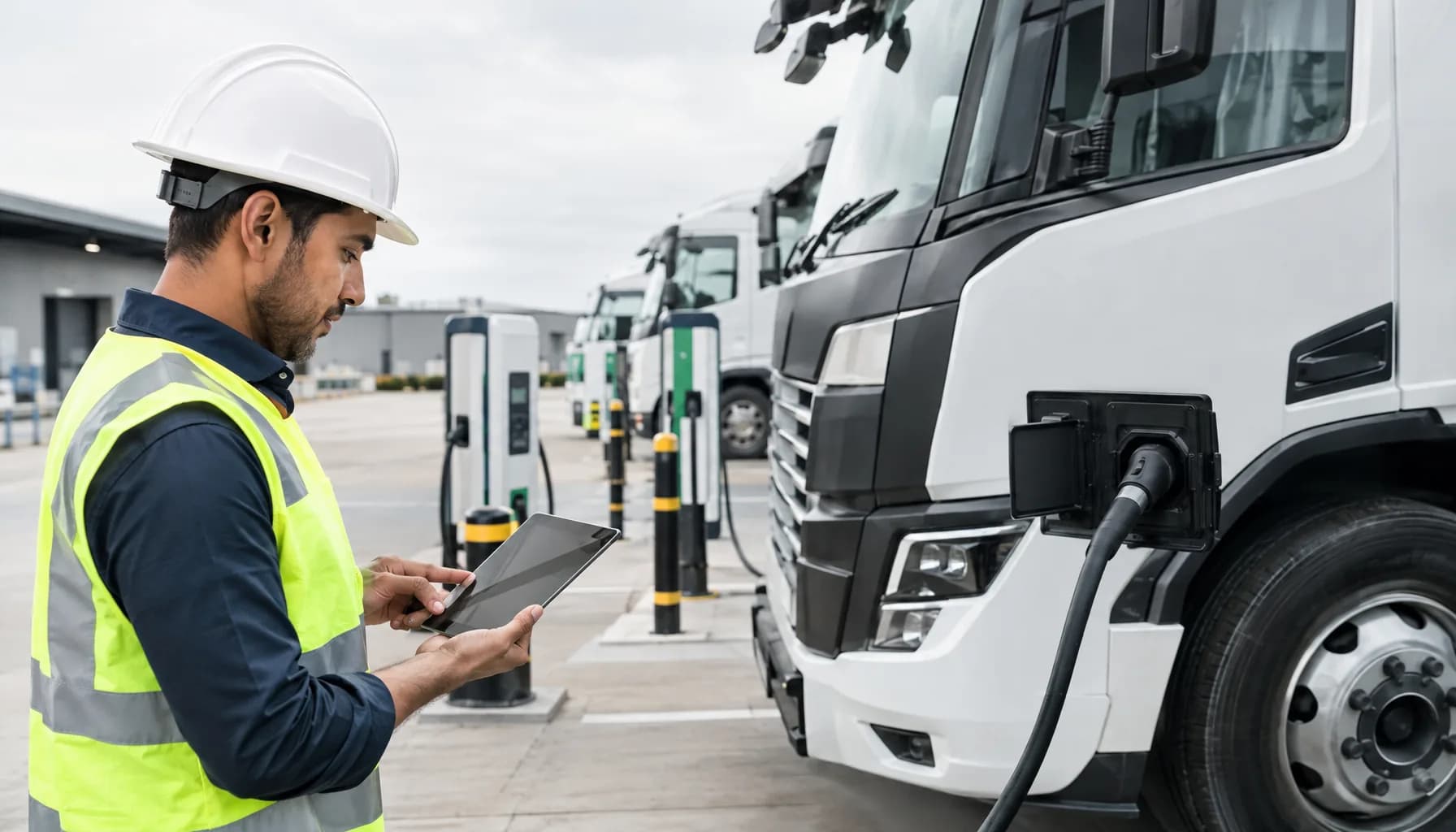
Amazon has joined forces with Tata Motors to spearhead the development of electric trucks, marking a significant step toward cleaner transportation. This partnership aims to integrate innovative electric vehicles into Amazon's logistics network, significantly reducing carbon emissions and promoting sustainability. By leveraging Tata Motors' expertise in vehicle manufacturing and Amazon's vast distribution capabilities, the collaboration intends to reshape the future of delivery services, making them more eco-friendly and efficient.
Overview of the Amazon-Tata Motors Partnership
Amazon and Tata Motors are working together to take a big step toward greener logistics. They’re focusing on making their fleets more efficient while also aiming to cut down on carbon emissions in transportation. Amazon and Tata Motors are collaborating to introduce electric trucks for their logistics needs.
- The partnership aims to reduce the carbon footprint associated with deliveries.
- With thousands of electric trucks in their fleet, Amazon's delivery operations are about to undergo a big transformation.
- We should see these trucks starting to roll out within the next year.
- Initially, these electric trucks will be launched in cities where there's a high demand for deliveries.
- Both companies are committed to ensuring that these vehicles adhere to rigorous performance and environmental standards.
- This partnership supports Amazon's broader goal of achieving net-zero carbon emissions by 2040.
Benefits of Electric Trucks in Logistics
Logistics companies are stepping up to modernize their fleets, and electric trucks are becoming increasingly popular due to their numerous advantages that boost operational efficiency. Plus, they've a positive impact on the environment. Switching to electric vehicles (EVs) is more than just a financial decision; it's a commitment to sustainability. Here are some key benefits of using electric trucks in logistics:
- Reducing fuel costs means significant savings for logistics companies, as electricity is often cheaper than diesel.
- Electric trucks produce lower carbon emissions, thereby improving air quality and reducing their environmental footprint.
- The quieter operation of electric trucks leads to decreased noise pollution in urban settings, benefiting both communities and drivers.
- Technological enhancements in electric trucks can be easily integrated, allowing for continuous updates and improvements.
- The use of electric trucks aligns with global sustainability goals, which many corporations are now prioritizing in their business strategies.
- Enhanced energy efficiency of electric vehicles contributes to more sustainable logistics operations overall.
- Government incentives for electric vehicle adoption further lower initial investments, making them more financially viable for logistics operations.
Integration of Technology in Electric Trucks
Electric trucks from companies like Amazon and Tata Motors are changing the game in logistics and transportation by integrating advanced technology. This shift in technology brings a range of benefits that enhance efficiency, safety, and overall performance in fleet operations.
- Thanks to advanced battery technology, electric trucks can drive farther on a single charge and have quicker charging times.
- With connectivity features, real-time shipment tracking is possible, which helps streamline logistics management and improves delivery accuracy.
- Safety features such as automated braking systems and collision detection significantly enhance the safety of both drivers and cargo.
- By using AI for route optimization, drivers can find the most efficient paths, which helps cut down travel time and energy consumption.
- Data analytics provides valuable insights into how vehicles are performing, allowing for proactive maintenance to keep everything running smoothly.
- Smart technologies contribute to lower operational costs, which benefits logistics companies.
- Improved communication systems lead to better coordination between drivers, dispatchers, and customers, ultimately enhancing service quality.
Challenges and Solutions in Electric Truck Adoption
As Amazon and Tata Motors venture into the realm of electric trucks, they are met with various challenges that need to be addressed for successful adoption. Below are some of the key hurdles and corresponding solutions identified in this initiative.
- Infrastructure for charging stations is crucial, requiring investment in widespread high-capacity charging networks.
- Initial investment costs are high; however, financing options and potential government subsidies can alleviate this burden.
- Supply chain modifications will be necessary to adapt to electric truck logistics and operations effectively.
- Comprehensive training programs are essential for drivers and technicians to ensure proficient operation and maintenance of electric vehicles.
- Regulatory compliance issues may arise, but proactive engagement with policymakers can lead to favorable legislative frameworks.
- Collaboration with technology partners can enhance software integration for better fleet management.
- Continuous data analysis and field testing will help optimize vehicle performance and address operational challenges as they arise.
Impact on the Logistics Industry
Amazon and Tata Motors are joining forces to introduce thousands of electric trucks, which could really change the game in the logistics world. This partnership might raise the bar for sustainability and efficiency in the industry.
- The growing emphasis on green logistics is likely to transform how companies do business as they aim to reduce their carbon footprints.
- Companies that switch to electric trucks sooner might find themselves with a significant advantage, boosting their market presence and operational efficiency.
- Bringing electric vehicles into fleets could have a positive knock-on effect in related industries, like advancements in battery technology and the adoption of renewable energy.
- As these efforts gain momentum, shoppers may start to favor brands that focus on sustainability, which could lead to greater customer loyalty.
- With more investment flowing into electric logistics, businesses in this area could open the door to additional opportunities and funding from eco-conscious investors.
- Improving sustainability practices could lower operating expenses over time, offering a financial advantage.
- We might start seeing more partnerships and collaborations as organizations unite to pursue common goals like cutting emissions and enhancing efficiency.
Conclusion and Call to Action
The partnership between Amazon and Tata Motors is a significant move toward making logistics more eco-friendly. Electric trucks are becoming essential in the industry, and they truly make an impact.
- This collaboration shows just how crucial it is to embrace sustainable practices in logistics and transportation.
- Compared to diesel trucks, electric trucks can significantly reduce carbon emissions.
- Companies should consider switching to electric vehicles not only to comply with regulations but also to save money in the long run.
- Adopting electric trucks can open up exciting opportunities for improving logistics operations.
- It's wise for professionals in the industry to stay updated on the latest advancements in electric vehicle technology.
- Keeping informed about new developments can help businesses remain competitive while also being eco-conscious.
- Collaborating in this field can lead to valuable insights and best practices.
Explore ways to integrate electric vehicles into your operations to take the lead in sustainability. Stay alert to innovations in electric trucking, as they're shaping the future of logistics.