Trucks vs Trains: Why Is US Freight Moving to Rail?
Learn about Trucks vs Trains: Why Is US Freight Moving to Rail? with a practical, evidence-backed guide covering core concepts, implementation steps, and best p
Introduction to US Freight Shifts
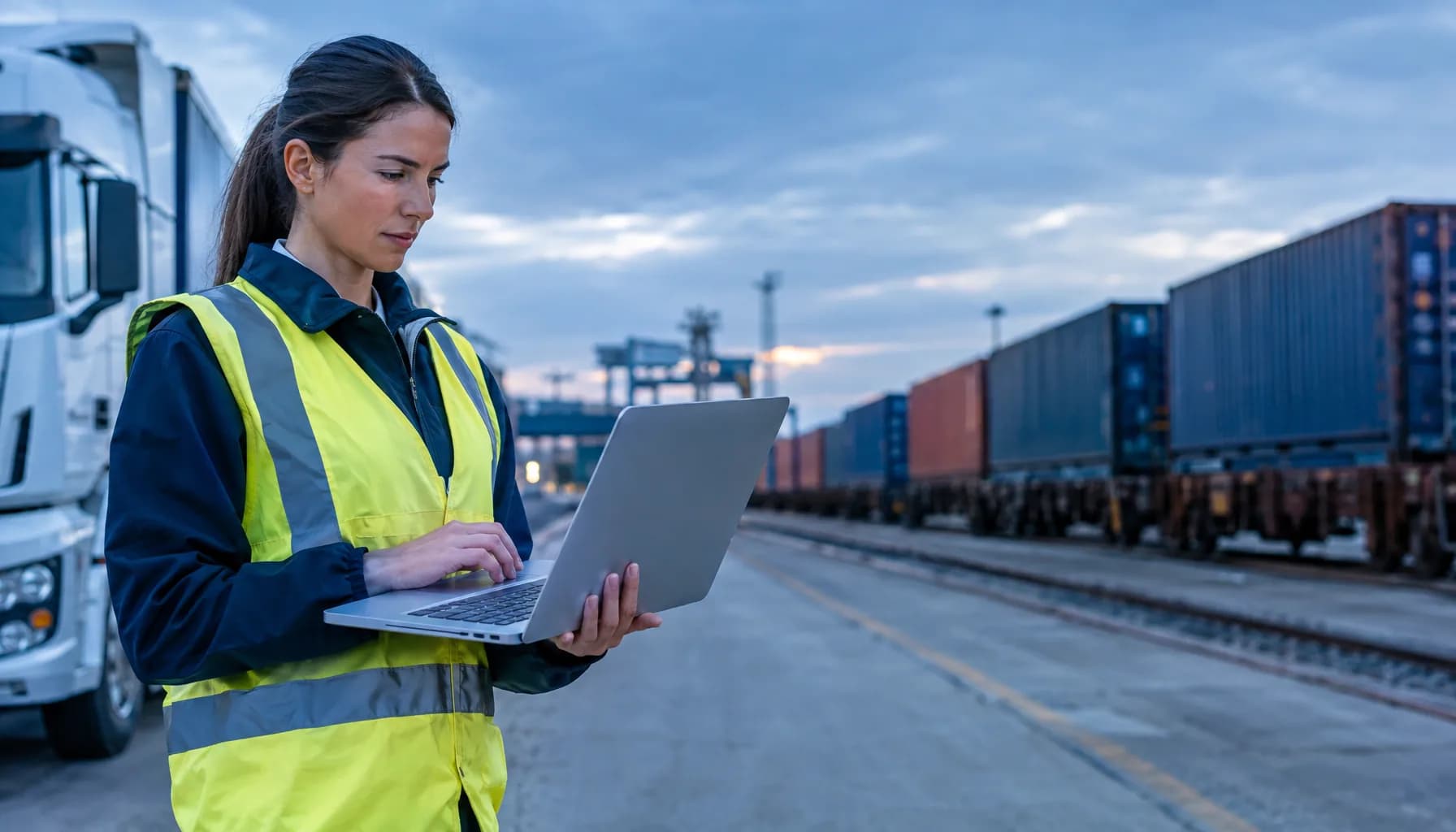
Freight transportation in the United States is changing; we're seeing a clear move from trucks to trains. This change shows that there's increasing attention on how efficient and environmentally friendly rail transport can be. It's important for industry professionals to keep up with these developments. Understanding how freight moves is crucial for effective planning and achieving success. With rail's rising popularity, it's vital to understand the effects on logistics and supply chain management.
Current State of US Freight Transport
The transportation network in the United States is vast and complex, comprising various modes for moving goods. Both trucks and trains play crucial roles in this system, yet their use varies based on several factors such as distance, type of cargo, and regional capabilities.
- Trucks carry approximately 72% of the total freight by weight, indicating their dominance in short-haul transportation.
- Railroads handle about 28% of freight, often transporting bulk goods over long distances more efficiently than trucks.
- In the Midwest, rail transport is preferred for agricultural products, while trucking prevails in densely populated urban areas.
- The increase in e-commerce has led to a greater reliance on trucks for last-mile delivery, reshaping freight distribution patterns.
- Key industries like automotive and coal heavily utilize rail transport due to its cost-effectiveness over long hauls.
- Despite the strengths of rail, trucking remains essential for flexibility and speed in freight delivery nationwide.
- Overall, the freight landscape is evolving with technological advancements that enhance both truck and rail efficiency and service.
Advantages of Rail Freight
Rail freight offers several advantages that make it a compelling option for transporting goods across the United States. As businesses seek efficient and sustainable transportation methods, the benefits of rail become increasingly important. Here are some key advantages of rail freight compared to trucking:
- Rail transport is generally more cost-efficient over long distances, reducing shipping expenses for businesses.
- It provides significant environmental benefits, as trains emit lower greenhouse gases per ton-mile than trucks.
- Rail is far more energy efficient, allowing for the transportation of larger quantities with less fuel consumed.
- Trains can carry large bulk shipments, making them ideal for heavy and voluminous freight that is impractical for trucks.
- By using rail, companies can help reduce traffic congestion on highways, contributing to less road wear and tear.
- The risk of accidents and spills is lower with rail transport, as trains are less likely to collide compared to trucks in congested areas.
Challenges for Trucks in Freight Transport
The trucking industry is grappling with a host of challenges, driving a notable shift of freight transport towards rail; rising fuel costs are making trucking less feasible for long hauls. On top of that, issues like driver shortages and regulatory pressures complicate matters further. Here’s a look at some of the significant challenges facing trucks today:
- Increasing fuel costs have raised operational expenses for trucking companies.
- Driver shortages pose a critical challenge, making it difficult for carriers to find qualified personnel.
- Regulatory pressures escalate compliance costs, adding to the financial strain on trucking operations.
- Road congestion leads to delays, impacting delivery times and overall efficiency.
- Infrastructure wear and tear has resulted in higher maintenance expenses for trucks on the road.
- Higher accident rates contribute to increased insurance costs, further burdening trucking companies.
- Environmental regulations require investments in cleaner technologies, affecting profitability for many truckers.
Key Factors Promoting Rail Freight Usage
Rail freight usage in the United States is on the rise for several reasons. These factors show how beneficial rail transport can be and reflect larger trends in the industry.
- To encourage freight companies to choose rail, the government has rolled out some incentives.
- Recent advancements in rail technology have boosted efficiency and safety, which makes rail a more dependable option.
- With improvements in train speed and reliability, deliveries are faster, and customers are more satisfied.
- Major investments in rail infrastructure are enhancing service and increasing capacity for freight transport.
- The advantages of intermodality simplify the process of moving between rail and other transport options, leading to better logistics.
- As more customers look for sustainable shipping options, companies are turning to rail, which generates fewer greenhouse gas emissions than road transport.
- Cooperation among different stakeholders is driving innovation and growth in the rail freight industry, resulting in a more interconnected supply chain.
Case Studies of Rail Adoption
We're seeing a clear trend toward rail freight in different industries where companies have successfully integrated it into their logistics. Real-world examples show how beneficial rail transportation can be across different industries.
- Major retailers like Walmart and Target have turned to rail for their distribution, leading to lower transportation costs for them.
- For manufacturers, rail transportation is a great option for moving bulk shipments, helping to enhance their supply chains.
- There's been a noticeable increase in the amount of agricultural goods, such as grain and soybeans, being shipped by rail, which helps streamline the process between farms and processing plants.
- Studies from the chemical industry suggest that rail transport can lessen environmental impacts, making it a more responsible option for moving hazardous materials.
- Petroleum companies have noticed improvements in their logistics when they use rail to transport refined products, which helps mitigate supply chain risks.
- What we've learned is that careful planning and infrastructure investment are essential for maximizing the benefits of rail transport.
- Data showing the changes before and after companies started using rail demonstrates marked increases in on-time delivery and cost savings for those relying on rail logistics.
Future Trends in US Freight Transport
As the freight transportation landscape evolves, railways are poised to play a crucial role. Several factors will contribute to the anticipated growth in rail freight usage in the coming years:
- Rail freight usage is predicted to increase significantly as businesses prioritize efficiency and cost reduction.
- Technological innovations, such as automated train control and improved logistics software, are on the horizon, enhancing rail transport capabilities.
- Policy changes, including government incentives for sustainable transport methods, may further favor rail over trucking.
- Expansion plans for rail networks aim to improve connectivity and service quality, influencing freight transport patterns.
- The long-term impacts on the trucking industry include potential declines in market share as rail becomes increasingly competitive.
- Customer demands are evolving as companies seek greener shipping options, pushing rail transportation to the forefront.
Conclusion and Call-to-Action
As we wrap up our discussion on freight transportation, it's crucial to look at how the relationship between trucks and trains is changing.
- Trucks and trains each come with their own pros and cons that influence how effectively freight can be transported.
- To get the best out of each transport method, careful planning of logistics is essential.
- Anyone working in logistics should definitely look at rail as a solid option for long-haul freight.
- Sustainability in freight transportation hinges on including eco-friendly choices in logistics strategies.
- Regularly reviewing and adapting to market changes will be crucial for keeping a competitive edge.
- Collaboration across the industry can spark new ideas and improve the efficiency of freight transport.
- If we embrace new practices now, we can build stronger supply chains for the future.
Staying informed and tweaking your approaches to freight transportation is important; let’s strive for a more efficient and sustainable future together.